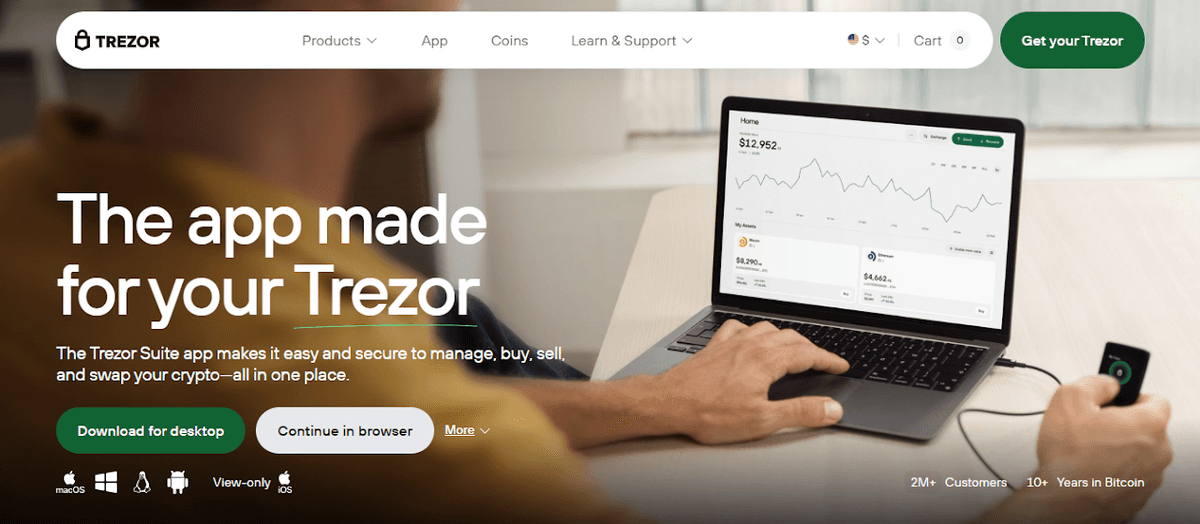
Getting Started with Trezor: A Step-by-Step Guide to Secure Your Crypto
In the rapidly expanding world of cryptocurrency, one of the most important aspects of managing your digital assets is ensuring their security. While exchanges and wallets provide easy access to your coins, they also introduce a higher level of risk. Hacks, scams, and platform failures are frequent issues that have led many to seek safer ways to store their assets. This is where hardware wallets like Trezor come in.
Trezor, one of the most trusted and widely used hardware wallet brands, provides a secure, offline solution for storing your cryptocurrencies. If you’ve decided to take your crypto security to the next level and are looking to get started with Trezor.io/start, you’ve come to the right place. In this blog, we’ll walk you through the process of setting up your Trezor device from the ground up, ensuring that you can safely manage and store your crypto for the long term.
What is Trezor?
Trezor is a hardware wallet designed to protect your cryptocurrencies by storing your private keys offline, away from the reach of hackers and malicious software. It is a small, physical device that connects to your computer via USB or Bluetooth (depending on the model). It supports a wide range of cryptocurrencies, including Bitcoin (BTC), Ethereum (ETH), and many altcoins, offering one of the most secure ways to store digital assets.
Unlike software wallets or exchange wallets, Trezor gives you complete control over your private keys, reducing the risk of hacks or unauthorized access. Even if your computer or smartphone gets compromised, your crypto will remain safe because it’s stored offline, and only you can access it using your device’s PIN and recovery seed.
Why Choose Trezor?
Before diving into the setup process, it’s important to understand why Trezor is one of the leading choices in the hardware wallet market.
Offline Storage: Since Trezor stores your private keys offline, your funds are much less susceptible to hacks, phishing attacks, or malware that could affect software-based wallets.
Multi-Currency Support: Trezor supports a wide range of cryptocurrencies, making it a versatile wallet for those who hold multiple types of digital assets.
Easy-to-Use Interface: Setting up and using Trezor is straightforward, with a user-friendly interface that’s accessible even for beginners.
Security Features: Trezor provides robust security features, such as PIN codes, recovery seeds, and passphrases, which help protect your funds from theft or loss.
Open Source: Trezor’s software is open-source, meaning the community can review the code, enhancing its trustworthiness and transparency.
Setting Up Your Trezor Wallet (Trezor.io/start)
Now that you know why Trezor is a great choice, let’s walk through the steps of setting up your device using Trezor.io/start, the official setup page. This guide will ensure that you safely initialize your Trezor wallet and are ready to manage your crypto assets securely.
Step 1: Visit Trezor.io/start
To get started, open your preferred web browser and navigate to the official Trezor setup page at Trezor.io/start
. This page is where you’ll find all the necessary tools to begin setting up your device.
Step 2: Choose Your Trezor Model
Trezor offers two main models: the Trezor One and the Trezor Model T.
Trezor One: The original model, which offers essential security features and is compatible with a wide variety of cryptocurrencies.
Trezor Model T: A more advanced model with a touch screen and additional features such as support for more assets and an improved user interface.
On the Trezor.io/start page, select the device you’ve purchased and follow the instructions accordingly.
Step 3: Connect Your Trezor Device
Once you’ve selected your device, connect your Trezor wallet to your computer using a USB cable. Make sure you are using a trusted computer and avoid public networks to enhance security. If you're setting up the Trezor Model T, you may also be able to connect via Bluetooth (for mobile setups).
Once connected, your device should automatically be recognized by your browser. If you’re using the Trezor Model T, the touchscreen will prompt you to confirm the connection.
Step 4: Install Trezor Bridge (If Needed)
Depending on your operating system, you may need to install Trezor Bridge—a piece of software that facilitates the communication between your Trezor device and your browser. Trezor.io/start will prompt you to download and install this software if it’s not already installed.
Follow the instructions to install the required software, and once completed, refresh the page on your browser.
Step 5: Create a New Wallet or Restore an Existing One
Now that your device is connected, you’ll be given two options: to create a new wallet or restore an existing wallet (if you’ve used Trezor before).
Create a New Wallet: If you’re setting up your Trezor for the first time, click on “Create a new wallet.” This process will guide you through generating a new private key and recovery seed.
Restore a Wallet: If you already own a Trezor wallet and want to restore it, you can input your 24-word recovery seed to access your previous wallet.
Step 6: Write Down Your Recovery Seed
This step is absolutely critical. Your recovery seed (a 24-word phrase) is the key to restoring access to your funds if you ever lose or damage your Trezor device. Trezor will display the 24 words one by one on your screen, and you must write them down on paper and store them in a secure place. Do not save this seed digitally or share it with anyone, as it is the only way to restore access to your crypto.
After writing it down, confirm the words in the correct order to ensure you’ve recorded them properly.
Step 7: Set a PIN Code
Next, you’ll be prompted to set up a PIN code for your Trezor device. This PIN is required every time you connect your device to a computer or mobile device, adding an additional layer of security. Make sure to choose a PIN that is unique and not easily guessable.
Step 8: Finalize Setup
Once you’ve entered your PIN code and confirmed your recovery seed, the setup is complete! You can now start using your Trezor device to manage your cryptocurrencies.
Using Your Trezor Wallet
Now that your Trezor wallet is set up, you can begin transferring, sending, and receiving cryptocurrency. Simply connect your device to your computer or mobile app, enter your PIN, and follow the prompts to complete transactions. Trezor integrates with popular cryptocurrency management tools like Trezor Suite and third-party wallets (e.g., Electrum, Mycelium) for seamless management.
Conclusion
The Trezor hardware wallet is one of the most secure ways to store and manage your cryptocurrencies, offering peace of mind by keeping your private keys offline. By following the setup process at Trezor.io/start, you can ensure that your crypto is safe from potential hacks, malware, and phishing attacks. Whether you're a beginner or an experienced crypto holder, Trezor provides an easy, secure, and reliable way to protect your digital assets for years to come.
Secure your crypto today and take the first step toward ensuring your financial freedom with Trezor.